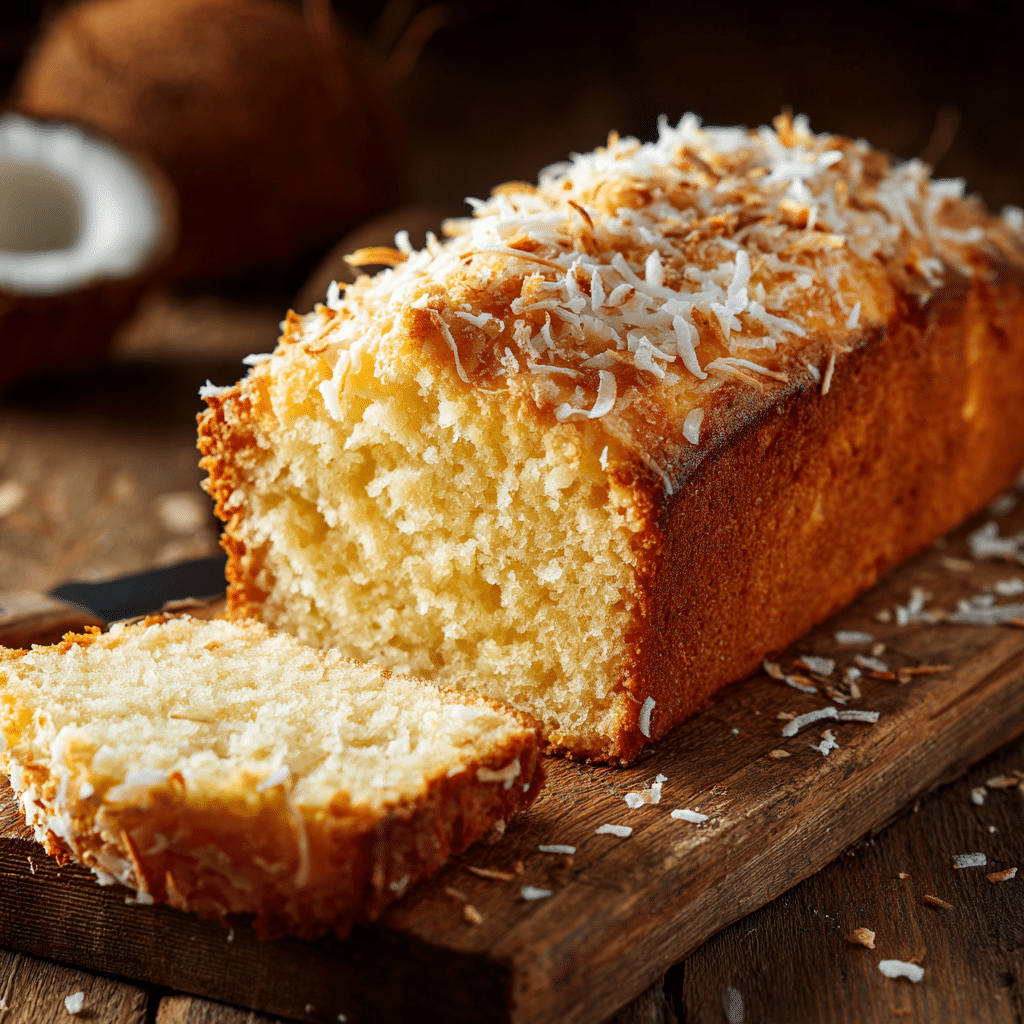
Unveiling the Tropical Charm of Coconut Bread: A Journey of Flavor and Tradition
Imagine the sun-drenched shores of a tropical paradise, the gentle sway of palm trees, and the irresistible aroma of something warm and sweet wafting through the air. That, in essence, is the magic of coconut bread. More than just a simple loaf, this beloved creation encapsulates the vibrant spirit and rich culinary heritage of regions spanning the Caribbean, Southeast Asia, and beyond. Soft, subtly sweet, and wonderfully aromatic, coconut bread offers a comforting escape, transforming any moment into a mini-vacation for your senses.
From a hearty breakfast accompaniment to a delightful dessert or a cozy afternoon snack with tea, its versatility knows no bounds. What truly elevates coconut bread to a culinary star is its incredible adaptability. It can manifest as a dense, cake-like creation, a fluffy roll with a sweet, hidden filling, or even a savory partner to piquant dishes. Regardless of its form, the bread consistently pays homage to the humble coconut, celebrating its rich flavor and texture in every conceivable way—be it finely grated, generously shredded, or infused as creamy coconut milk.
In this comprehensive guide, we'll embark on a journey to uncover the fascinating world of coconut bread. We'll explore what makes it so uniquely appealing, delve into its diverse global interpretations, share essential baking insights, and offer creative ways to enjoy this tropical delight. If you've ever dreamt of bringing the essence of the tropics into your kitchen, you're in the right place.
The Heart of the Tropics: What Makes Coconut Bread So Irresistible?
At its core, coconut bread is a celebration of its namesake ingredient. It's a soft, tender bread that beautifully highlights the nutty, sometimes buttery, notes of coconut. But its appeal goes far beyond just flavor; it's also about the sensory experience. The moist crumb, the golden crust, and the lingering aroma combine to create a truly unforgettable treat.
The secret to its signature texture and taste lies in the careful combination of coconut in its various forms:
- Shredded or Grated Coconut: This provides textural intrigue, adding a delightful chewiness and bursts of concentrated coconut flavor throughout the loaf. Whether unsweetened for a more balanced profile or sweetened for an extra indulgent touch, it's a non-negotiable component.
- Coconut Milk: Essential for moisture and richness, full-fat coconut milk contributes to a wonderfully tender crumb, preventing the bread from drying out. It also imparts a subtle sweetness and depth that water or regular milk simply cannot replicate.
- Coconut Oil: Often used in place of or alongside butter, coconut oil enhances the tropical flavor profile and contributes to a remarkably soft texture. Its distinctive aroma also permeates the bread during baking, adding to its allure.
Beyond these core ingredients, additional elements like flour, sugar, eggs, and leavening agents come together to create a harmonious balance. The result is a bread that is not overly sweet, allowing the natural flavor of the coconut to shine through, making it a favorite for both traditionalists and those seeking modern interpretations. For more specific recipe variations and techniques, you might want to explore coconut bread - Article 1.
A World of Flavors: Regional Interpretations of Coconut Bread
One of the most captivating aspects of coconut bread is its incredible diversity. Born in regions where coconut trees flourish, it's no surprise that different cultures have developed their own distinctive versions, each telling a unique story through flavor and form.
Caribbean Coco Bread: A Culinary Staple
In the vibrant culinary landscape of the Caribbean, coconut bread, often simply called "coco bread," is far more than a simple baked good; it's a cultural icon. Particularly prominent in countries like Jamaica, this version is typically a soft, slightly chewy, and somewhat dense loaf. It's frequently enjoyed during holidays, family gatherings, or as a beloved Sunday brunch item. Caribbean-style coco bread often features warm spices like nutmeg, cinnamon, or even a hint of allspice, lending it an inviting depth of flavor. Its density makes it an ideal accompaniment to hearty savory dishes, famously serving as a delicious "pocket" for spicy jerk chicken or steamed fish.
Filipino Pan de Coco: The Sweet, Pillowy Delight
Journey to the Philippines, and you'll encounter Pan de Coco – "bread of coconut." This delightful interpretation takes the form of soft, pillowy buns, but with a unique twist: they're typically filled. The heart of Pan de Coco is a rich, sweet mixture of shredded coconut and brown sugar, often enhanced with a touch of butter or condensed milk. This sweet filling transforms the bread from a mere accompaniment into a dessert-like pastry, making it a hugely popular breakfast item or afternoon snack, often paired with coffee or hot chocolate. Its tender crumb and sweet interior offer a comforting contrast that is utterly irresistible.
Hawaiian Coconut Bread: An Island Infusion
While perhaps less universally known than its Caribbean or Filipino counterparts, Hawaiian versions of coconut bread often embrace the islands' abundance of other tropical fruits. It's not uncommon to find recipes that incorporate crushed pineapple chunks, macadamia nuts, or even mango, adding an extra layer of sweetness, texture, and a truly unique island flair. These variations often lean towards a sweeter, sometimes more cake-like consistency, perfect for a leisurely brunch or a sweet treat.
The beauty of these global twists lies in their demonstration of how a single, simple ingredient like coconut can inspire endless creativity, reflecting local tastes and traditions. If you're looking for more advanced techniques and creative adaptations, our guide on coconut bread - Article 3 offers further insights.
Baking Your Own Tropical Dream: Tips for Perfect Coconut Bread
Crafting homemade coconut bread is a rewarding experience that fills your kitchen with an intoxicating aroma. While recipes vary, here are some universal tips to help you achieve that perfect tropical loaf:
- Choose Your Coconut Wisely:
- Coconut Milk: Always opt for full-fat coconut milk for the richest flavor and moistest texture. "Light" versions often lack the richness necessary for truly exceptional bread.
- Shredded Coconut: Unsweetened shredded or desiccated coconut allows you to control the sweetness of your bread. If using sweetened, reduce the sugar in your recipe accordingly. Toasted coconut can add an extra layer of nutty depth.
- Mind the Moisture: Coconut bread should be moist, not dry. Ensure your recipe has enough liquid (usually from coconut milk) and fat (coconut oil or butter) to achieve a tender crumb.
- Don't Overmix: As with most quick breads, overmixing the batter can develop the gluten too much, resulting in a tough, dense loaf. Mix just until the wet and dry ingredients are combined. Lumps are perfectly fine!
- Temperature Matters: Bake at the recommended oven temperature. Too hot, and the outside might brown too quickly while the inside remains raw. Too cool, and it might not rise properly.
- Flavor Enhancements: Don't hesitate to experiment with spices like cinnamon, nutmeg, or cardamom. A touch of vanilla extract or almond extract can also complement the coconut beautifully. Citrus zest, particularly lime or orange, can add a bright counterpoint to the richness.
- Storage: Coconut bread stays wonderfully moist for several days at room temperature when stored in an airtight container. It also freezes exceptionally well, allowing you to enjoy a taste of the tropics whenever the craving strikes.
Beyond the Loaf: Creative Ways to Enjoy Coconut Bread
While delicious on its own, coconut bread is incredibly versatile and can be enjoyed in numerous ways:
- Classic Pairing: Serve thick slices with your morning coffee or tea. A dollop of butter or a smear of tropical jam (like guava or mango) elevates the experience.
- Dessert Delight: Toast slices lightly and serve with a scoop of vanilla bean or coconut ice cream, drizzled with caramel sauce, or alongside fresh tropical fruit like pineapple, papaya, or berries.
- Sweet Sandwiches: Use it to make unique breakfast sandwiches with cream cheese and fruit, or even a decadent grilled cheese with a sweet, mild cheese.
- Savory Side: Channel its Caribbean roots by serving it as a side to curries, stews, or grilled fish, allowing its subtle sweetness to balance spicier elements.
- French Toast or Bread Pudding: Stale coconut bread makes for an extraordinary base for French toast or a rich bread pudding, soaking up custardy mixtures beautifully.
Conclusion
From the sun-kissed beaches of the Caribbean to the bustling markets of the Philippines, coconut bread stands as a testament to the power of a single ingredient to inspire countless culinary traditions. It's a bread that offers comfort, invokes memories of far-off lands, and consistently delivers a delightful blend of sweetness, texture, and aroma. Whether you're a seasoned baker or just beginning your culinary journey, making your own coconut bread is an accessible and incredibly rewarding experience.
So, why not bring a piece of the tropics into your home? Experiment with recipes, find your favorite regional style, and savor every tender, fragrant bite. Coconut bread isn't just food; it's an invitation to explore a world of flavor, culture, and warmth, all from the comfort of your kitchen.
